

A car accident involving an injured child can change a family’s life in seconds. Parents may suddenly be dealing with emergency medical treatment, hospital stays, rehabilitation, missed school, emotional trauma, and uncertainty about whether their child will experience long-term consequences from their injuries.
When another person’s negligence causes a child to be injured in a North Carolina car accident, the legal process can also be significantly different from a typical adult personal injury claim. Children generally cannot independently manage their own legal claims, and North Carolina law provides important protections involving minors, legal disabilities, representation, and the handling of settlements.
For families in Asheville and throughout Western North Carolina, understanding these issues can be an important part of protecting an injured child’s rights.
Types of Accidents and the Concerns for Injured Children
Children can suffer serious injuries in many different types of motor vehicle accidents. The circumstances surrounding the collision may affect both the investigation and the legal issues involved.
| Type of Accident | Potential Concerns for an Injured Child |
| Passenger vehicle collision | High risk of “seatbelt syndrome” (abdominal injuries), whiplash, and trauma exacerbated by improper car seat or booster seat use. |
| Distracted driving accident | Because distracted drivers often fail to brake before impact, children face a higher risk of catastrophic full-speed trauma, including spinal cord injuries and severe concussions. |
| Drunk or impaired driving crash | Often involves high-speed, erratic impacts resulting in extreme orthopedic injuries, internal bleeding, and significant long-term psychological trauma (PTSD). |
| Pedestrian accident | Due to a child’s shorter height, vehicle bumpers often strike them at the torso or head level, causing severe traumatic brain injuries (TBIs), crushed ribs, and pelvic fractures. |
| Bicycle accident | Extreme vulnerability to road rash, skull fractures (even when wearing helmets), and severe crush injuries from being struck by significantly larger and heavier vehicles. |
| School transportation accident | The lack of seatbelts on standard school buses leaves children vulnerable to being thrown from their seats, leading to facial fractures, dental trauma, and broken bones. |
| Hit-and-run accident | The at-fault driver fleeing the scene often results in delayed emergency medical care, which can critically worsen internal bleeding, shock, or brain injuries in a young child. |
A child’s injuries may range from cuts and broken bones to traumatic brain injuries, spinal injuries, internal injuries, and permanent disabilities.
Emotional trauma can also be significant, particularly when a child develops anxiety, fear of riding in vehicles, or other psychological consequences after a serious crash.
Why Child Car Accident Claims Are Treated Differently Under NC Law
A child injury claim requires special attention because children are still developing physically, cognitively, and emotionally.
The full consequences of an injury may not always be known immediately after an accident. A traumatic brain injury, for example, may affect learning, memory, attention, emotional regulation, or academic performance as a child grows older. Similarly, an orthopedic injury may require continued monitoring because a child’s bones and body are still developing.
This means that evaluating a child’s injury claim may require looking beyond the emergency room visit and the immediate medical expenses following the accident.
A careful evaluation may need to consider the child’s:
- Current medical condition
- Future treatment needs
- Rehabilitation requirements
- Potential permanent impairment
- Educational consequences
- Psychological injuries
- Long-term impact on daily life
Settling a claim before the medical consequences of an injury are properly understood can create serious concerns for an injured child and their family.
Who Can Bring a Legal Claim for an Injured Child in North Carolina?
Children generally do not have the same legal capacity as adults to independently manage civil litigation. A legal claim involving an injured child may therefore require representation through an appropriate adult or legally recognized representative.
Depending on the circumstances, the process may involve a parent, guardian, or guardian ad litem acting to protect the child’s interests.
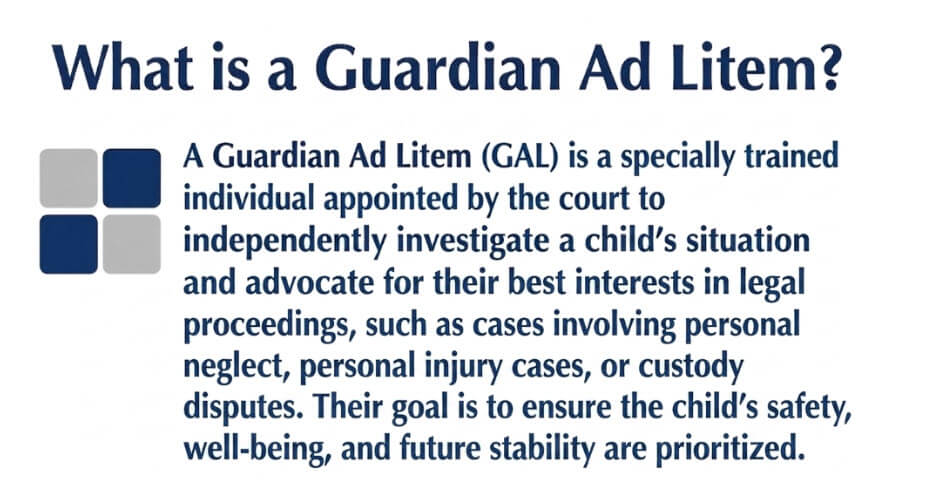
North Carolina court procedures specifically address cases in which an injured minor appears through a guardian ad litem to bring forward a case or to ensure approval of a settlement. When court approval is sought, the parties may need to provide information surrounding the circumstances of the claim, the proposed settlement, the proposed distribution of funds, and documentation supporting the settlement and disbursements.
The appropriate procedure depends on the circumstances of the individual case. The central concern throughout the process is ensuring that the child’s interests are properly protected.
What Compensation May Be Considered in a Child Injury Claim?
A serious car accident can create immediate financial losses and long-term consequences. Depending on the circumstances, a claim involving an injured child may address several different categories of damages.
| Type of Loss | Examples |
| Medical expenses | Emergency treatment, hospitalization, surgery, and specialist care |
| Rehabilitation | Physical therapy, occupational therapy, and rehabilitation services |
| Future medical needs | Continued treatment, future procedures, and long-term monitoring |
| Physical injuries | Permanent impairment, disability, or loss of physical function |
| Pain and suffering | Physical pain and the impact of serious injuries |
| Emotional trauma | Anxiety, fear, post-traumatic stress, and other psychological consequences |
| Educational or developmental consequences | Learning difficulties or additional support associated with an injury |
Negotiating damages can be complicated when a child is injured. Certain losses and expenses may raise different legal questions depending on the nature of the claim and the relationship between the child and the parent or other responsible adult.
In North Carolina, these claims are highly complex because the state divides legal rights and enforces strict fault rules. The claim for a minor’s medical bills belongs exclusively to the parents, while claims for pain, suffering, and future damages belong to the child.
Crucially, North Carolina follows pure contributory negligence. If a parent driving the vehicle is found even 1% at fault, their claim to recover the child’s medical expenses is completely barred. However, a parent’s negligence is not imputed to the child. The child’s independent claim for damages survives but requires mandatory court approval to protect the settlement until they reach adulthood.
Critical Timing Issues After a Child Is Injured in North Carolina
While North Carolina generally imposes a strict three-year statute of limitations for personal injury lawsuits, the rules change significantly when the victim is a minor. Because anyone under the age of 18 is considered under a “legal disability,” the timeline for filing a claim is divided.
Understanding how this clock works and why waiting is dangerous is critical for protecting your family’s rights.
The Child’s Claim vs. The Parents’ Claim
In North Carolina, an injury to a child creates two separate legal claims with two different deadlines:
- The Child’s Claim (Tolled until age 21)
The child’s claim for pain and suffering, permanent scarring, and future lost earning capacity is “tolled” (paused) until they turn 18. This means they generally have until their 21st birthday to file a lawsuit, regardless of how young they were when the accident occurred.
- The Parents’ Claim (Strict 3-year limit)
Because parents are legally responsible for their child’s medical expenses, the claim for past medical bills belongs to the parents. This claim is not tolled. Parents generally have exactly three years from the date of the accident to resolve the medical expense claim or file a lawsuit.
Why Prompt Investigation Is Critical
Even though a child technically has until age 21 to pursue their portion of the claim, waiting is rarely the safest legal strategy. Building a strong case requires immediate action for several reasons:
- Evidence disappears rapidly
Physical evidence at the scene does not last. Skid marks wash away, vehicle damage is repaired, or the car is scrapped, and dangerous property conditions (like a broken playground fixture or unsafe fencing) get fixed or altered.
- Digital evidence is overwritten.
Crucial video evidence from doorbell cameras, traffic lights, commercial surveillance systems, or dashcams is often deleted or recorded over within 7 to 30 days of an incident.
- Witness memories fade
A witness’s precise recollection of the speed of a vehicle, or the exact sequence of events before a child was injured, becomes less reliable and less credible to an insurance company as months and years pass.
- Complex insurance limits must be identified.
A serious pediatric injury often exhausts the primary at-fault party’s insurance. Prompt investigation is required to identify secondary sources of recovery, such as Underinsured Motorist (UIM) coverage, homeowner’s policies, or umbrella policies, before notification deadlines pass.
- Government entities have strict deadlines.
If a child is injured by a public school bus, at a city park, or due to municipal negligence, special rules apply. Under the North Carolina State Tort Claims Act or local municipal codes, families may be required to file formal administrative notices long before standard statutes of limitations expire. Failure to meet these specific notice deadlines can permanently bar the claim.
The specific timing issues affecting a family should be evaluated based on the facts of the accident.
The Steps Involved in a Child Car Accident Injury Case in NC
Parents should be cautious about assuming that accepting an insurance company’s settlement offer automatically resolves every issue involving an injured child’s claim.
Depending on the circumstances, resolving a child injury case may involve the following process:
- Investigating how the accident occurred and identifying potentially responsible parties.
- Collecting evidence concerning the child’s injuries and medical treatment.
- Evaluating the potential long-term consequences of the injuries.
- Identifying available insurance coverage.
- Negotiating a proposed settlement when appropriate.
- Seeking court approval when required to protect the minor’s best interests.
- Ensuring that settlement funds are handled according to applicable legal and court requirements.
North Carolina court procedures for injured minors include documenting the circumstances of the claim, the settlement, proposed disbursements, and supporting information.
These procedures ensure that the child’s interests receive appropriate protection.
What Happens to Settlement Money Recovered for a Child?
The handling of money recovered for an injured child is an important issue that families should understand before a settlement is finalized.
The appropriate handling of settlement proceeds can depend on the amount recovered, the circumstances of the case, applicable statutes, and any court requirements associated with the settlement.
Because a child’s recovery may be intended to address serious injuries, future medical needs, or permanent consequences that will affect the child later in life, families should understand:
- How settlement funds will be distributed
- Whether court approval is required
- What expenses will be paid from the recovery
- How funds intended for the child will be protected
These issues should be addressed carefully before a settlement becomes final.
Why Medical Evidence Is So Important in Child Injury Cases
Because children are still growing, medical evidence may become increasingly important as doctors learn more about how an injury is affecting the child’s development and daily life.
A thorough evaluation may involve several steps:
- Documenting emergency medical treatment. Emergency room and hospital records establish important information about the injuries diagnosed immediately after the collision.
- Obtaining appropriate diagnostic testing and specialist evaluations. Depending on the injury, a child may need evaluation by neurologists, orthopedic specialists, rehabilitation providers, or other medical professionals.
- Monitoring the child’s recovery. Some symptoms and complications become more apparent over time.
- Documenting rehabilitation needs. Physical therapy, occupational therapy, speech therapy, and psychological treatment may become important components of recovery.
- Considering potential future consequences. Medical professionals may identify the possibility of continued treatment, permanent impairment, or other long-term effects.
This is particularly important in cases involving traumatic brain injuries, spinal injuries, serious fractures, and other injuries that may affect a child differently as they continue to grow.
Book a Free Car Accident Consultation to Evaluate Your Child’s Case

When a child is seriously injured in a car accident, parents should be able to focus on their child’s medical care and recovery without facing the insurance and legal process alone.
Lakota Denton represents injured individuals and families in Asheville, Hickory, and throughout Western North Carolina and can evaluate the circumstances surrounding a child’s accident, investigate potential liability, identify available insurance coverage, and help protect the child’s interests throughout the claims process
Schedule your family’s free consultation today to speak with Lakota Denton urgently about your child’s injury case.
Pediatric Medical Care Resources for North Carolina Families
Mission Children’s Hospital in Asheville
Mission Children’s Hospital is located in Asheville and is the only full-service children’s hospital in Western North Carolina. It provides pediatric inpatient, outpatient, emergency, rehabilitation, and specialty services.
Mission Hospital Pediatric Emergency Care
Mission Hospital provides a dedicated pediatric emergency department that treats children using specialized pediatric staff and medical equipment.
Duke Children’s Hospital & Health Center
Duke Children’s provides pediatric diagnostic, medical, surgical, and specialty services for children and families throughout North Carolina.
UNC Health and Duke Health Children’s Hospital Initiative
UNC Health and Duke Health announced a partnership to establish NC Children’s, including plans for North Carolina’s first freestanding children’s hospital dedicated to pediatric care.